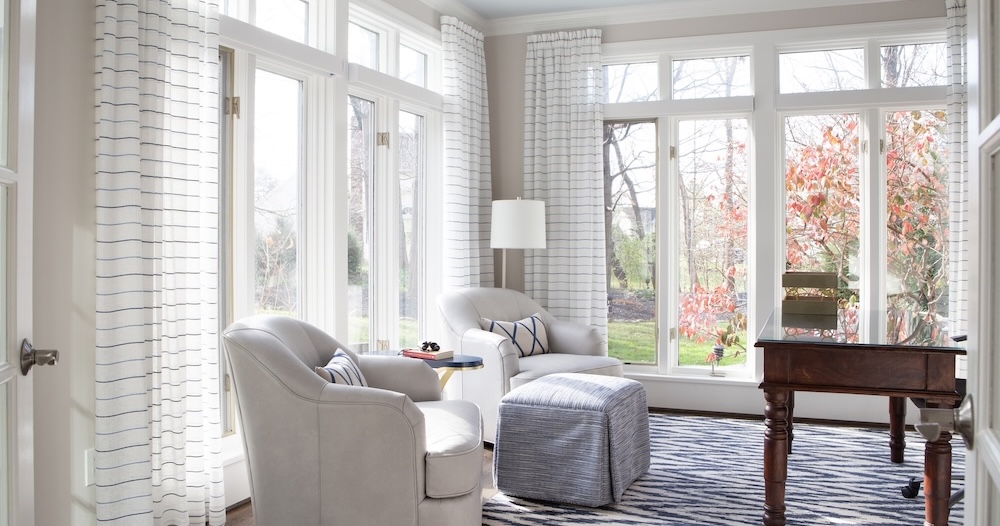
As temperatures begin to drop, homeowners start thinking about ways to keep their spaces warm and comfortable. While insulation, heating systems, and energy-efficient windows often get the most attention, window treatments can also play an important role in maintaining a comfortable indoor temperature.
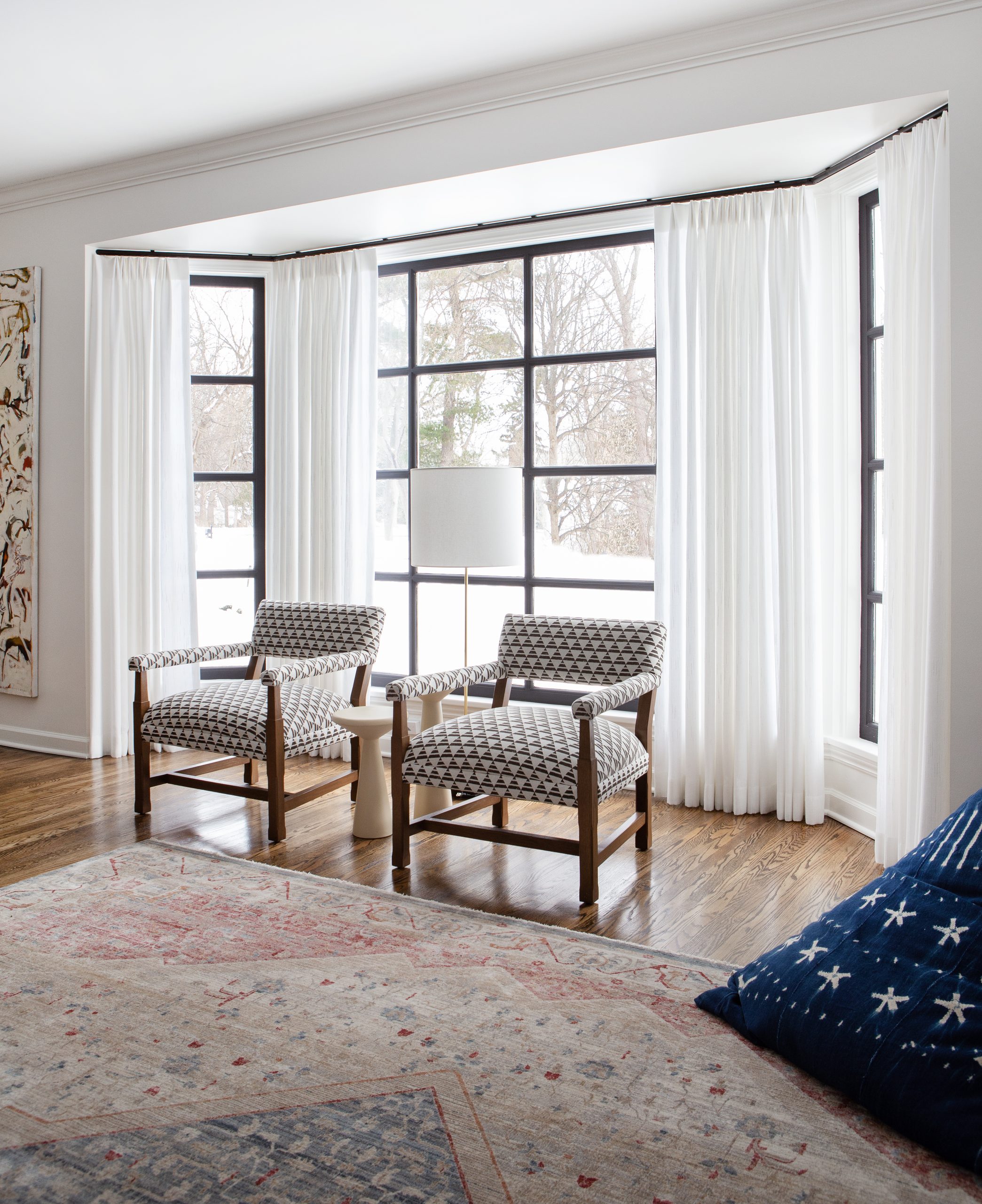
Windows are a common source of heat loss during the winter and unwanted heat gain during the summer. Even high-quality windows can allow heat to transfer between the indoors and outdoors. The right window treatments help create an additional barrier, slowing that transfer and reducing the amount of work required from heating and cooling systems.
For designers, this presents an opportunity to combine beautiful design with practical benefits that clients can appreciate throughout the year.
How Window Treatments Provide Insulation
Window treatments help regulate indoor temperatures by creating an air barrier between the glass and the room. During colder months, this barrier helps slow the movement of indoor heat toward the colder window. In warmer months, it can help limit the amount of solar heat entering the space.
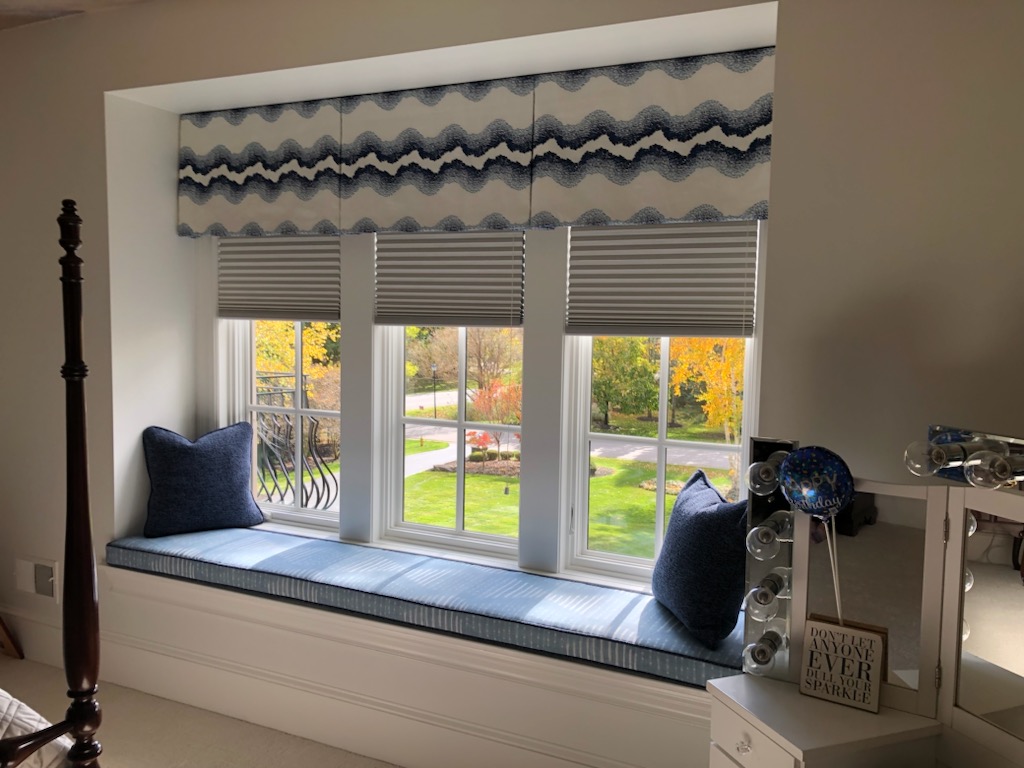
The effectiveness of a window treatment depends on several factors, including its material, construction, fit, and how closely it covers the window.
Some treatments are designed specifically with energy efficiency in mind, while others provide insulation as an additional benefit. Understanding these differences helps designers recommend solutions that meet both the functional and aesthetic needs of a space.
Cellular Shades: Designed to Trap Air
One of the most effective window treatment styles for insulation is the cellular shade.
Unlike traditional blinds or flat roller shades, cellular shades are constructed with pockets of air inside the fabric. These pockets help slow heat transfer through the window, creating an insulating barrier between the glass and the room.
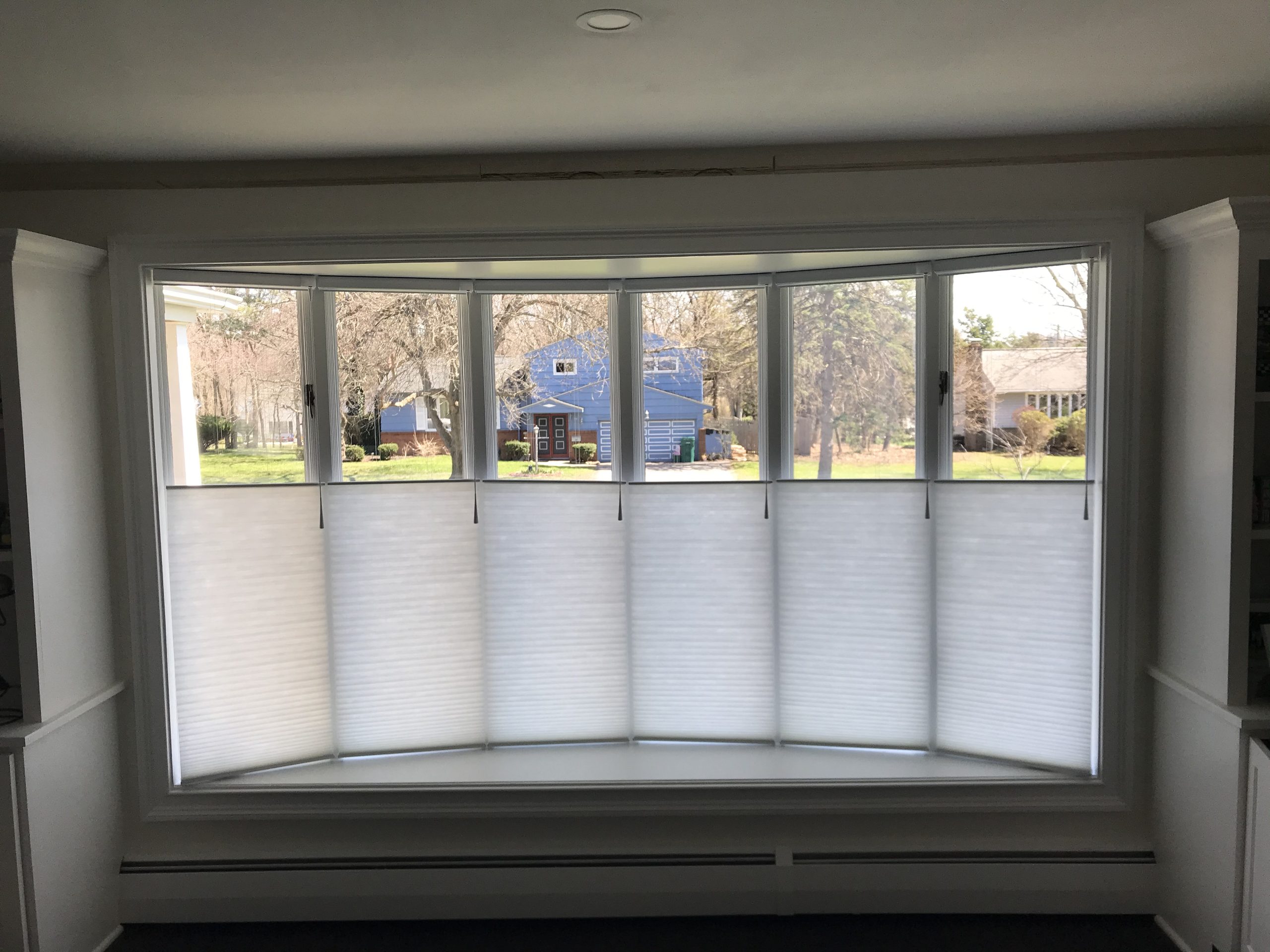
During winter, this additional insulation helps retain warmth indoors. During summer, it helps reduce unwanted heat entering the home.
Cellular shades are available in a variety of fabrics, colors, cell sizes, and light-control options, making them a versatile choice for both practical and decorative applications.
More Cells, More Insulation: Hunter Douglas Duette Architella Shade
Hunter Douglas takes cellular construction a step further with its Duette Architella honeycomb shades, which feature a unique cell-within-a-cell design.
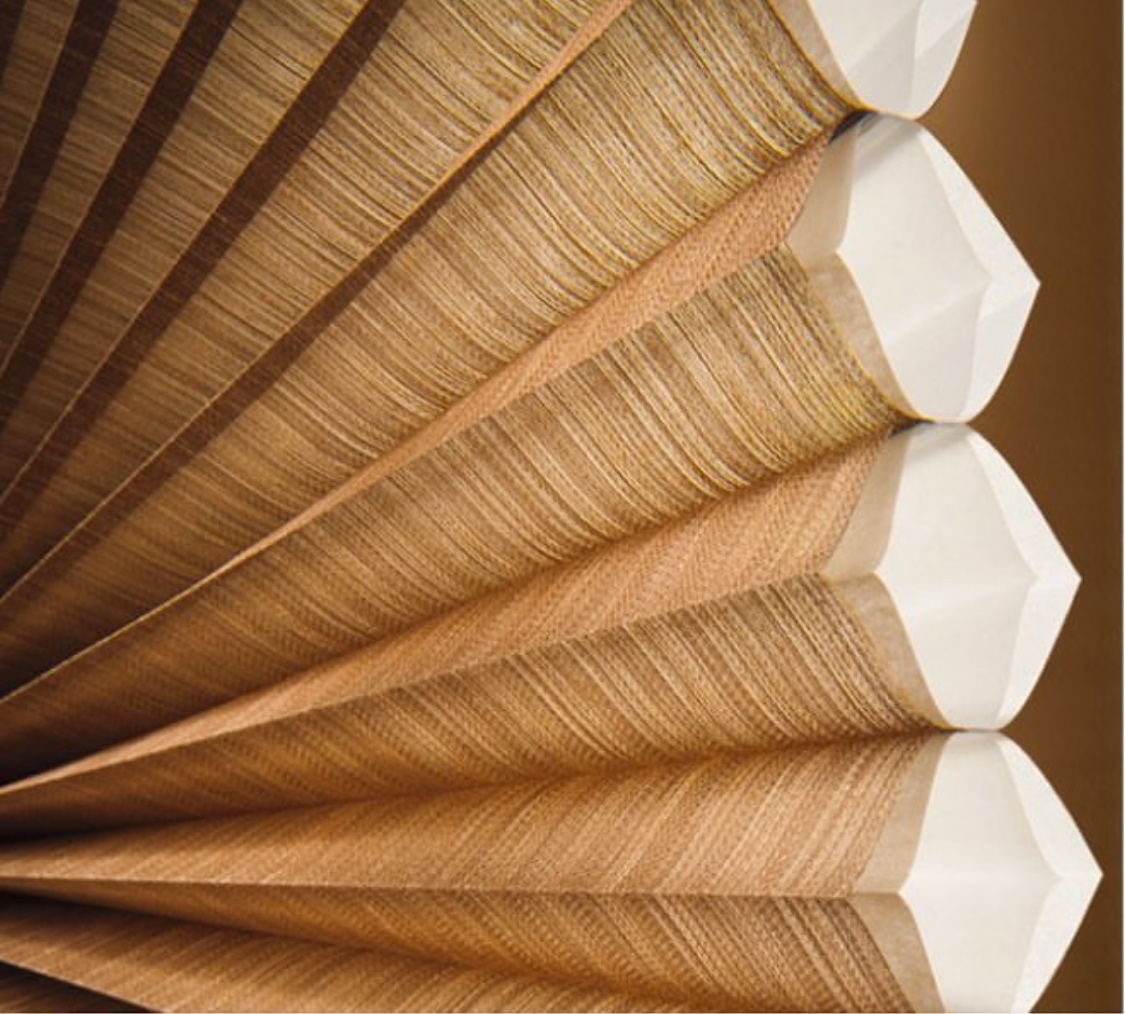
Instead of a single honeycomb-shaped air pocket, Duette shades contain an additional cell nested inside the larger one. This creates multiple insulating air pockets within the shade, helping reduce heat transfer through the window.
The additional layers of trapped air make it an especially appealing option for homeowners who want to improve comfort without sacrificing style.
Layered Window Treatments: Beauty With Added Benefits
Layering window treatments is often associated with creating depth, texture, and a more finished appearance. However, combining treatments can also offer additional insulation.
For example, a cellular shade paired with decorative drapery provides two different layers between the window and the room. The cellular shade supplies an insulating barrier close to the glass, while the drapery adds another layer of fabric that can help reduce heat movement and drafts.
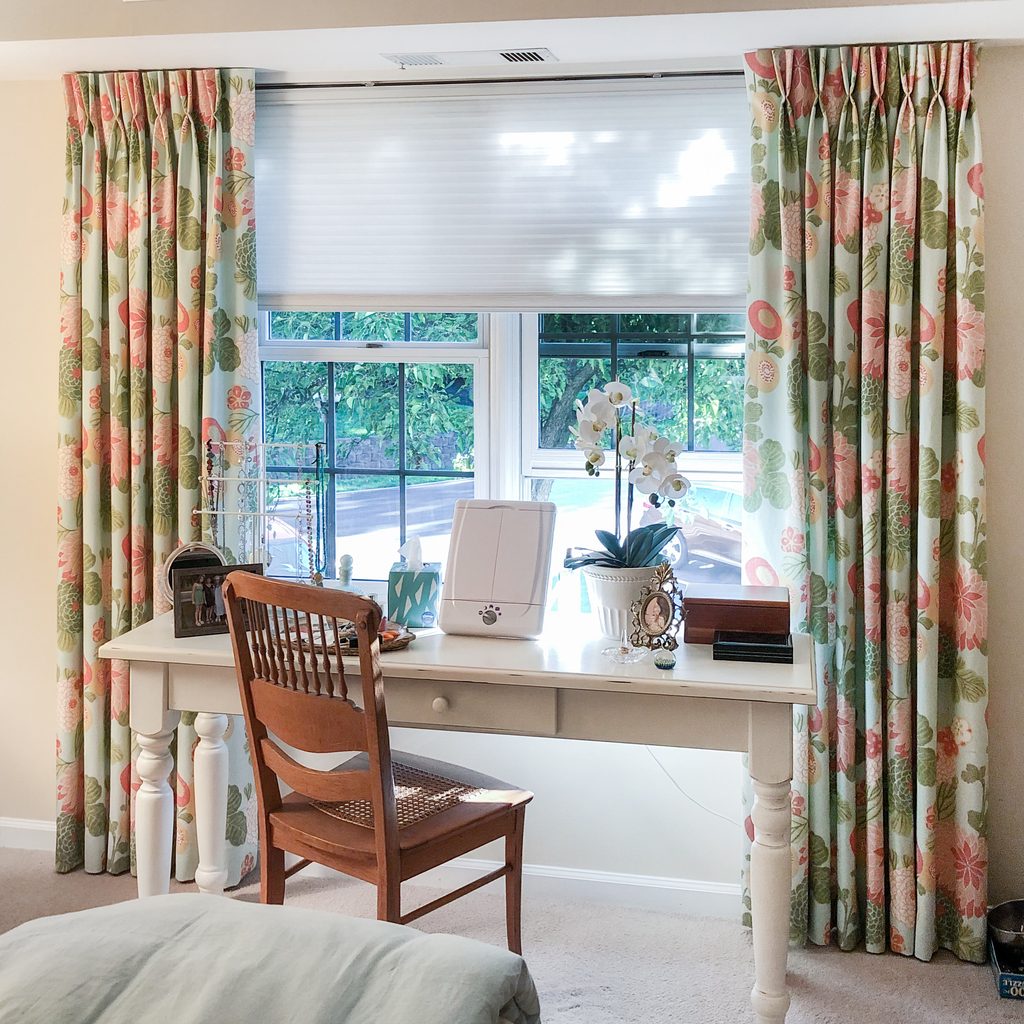
Layering also allows each treatment to serve a different purpose. A shade can provide privacy, light control, and insulation, while the drapery contributes softness, color, pattern, and a decorative finishing touch.
For clients who want a beautifully furnished room without compromising function, layered treatments offer an opportunity to achieve both.
The Role of Drapery in Temperature Control
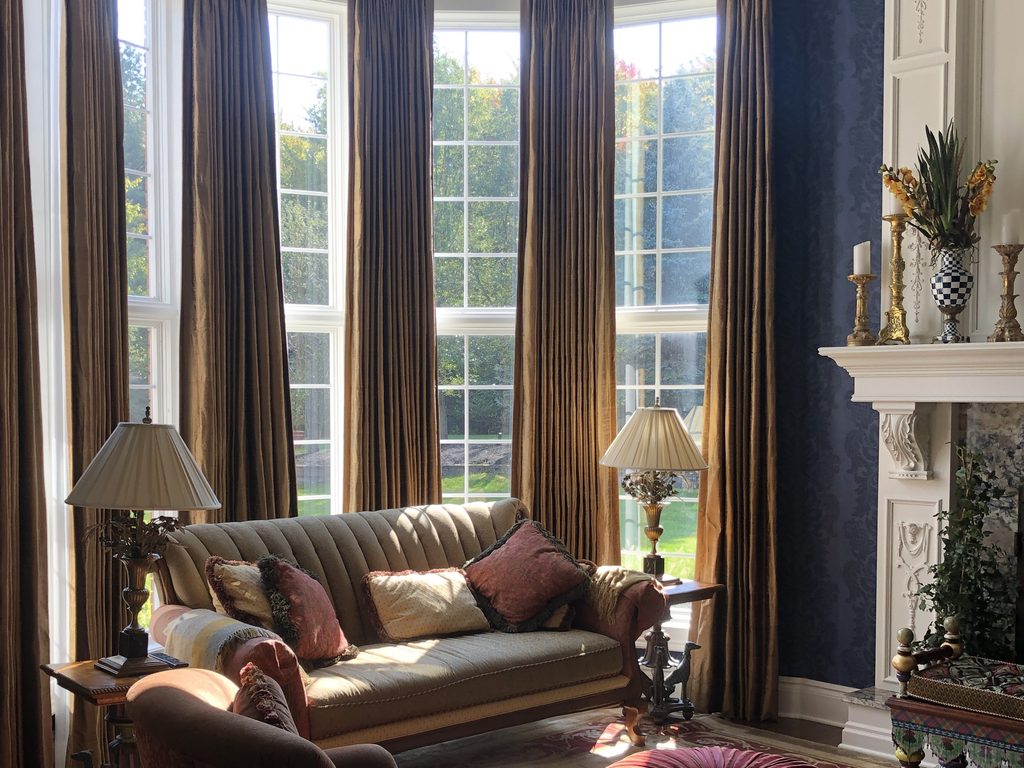
Drapery can contribute to a room’s insulation, particularly when panels are designed to cover the window generously and are made with appropriate linings.
Fabric selection matters, but the construction and fit of the finished treatment are equally important. Full-length panels, generous coverage, and thoughtful hardware placement can help limit air movement around the window.
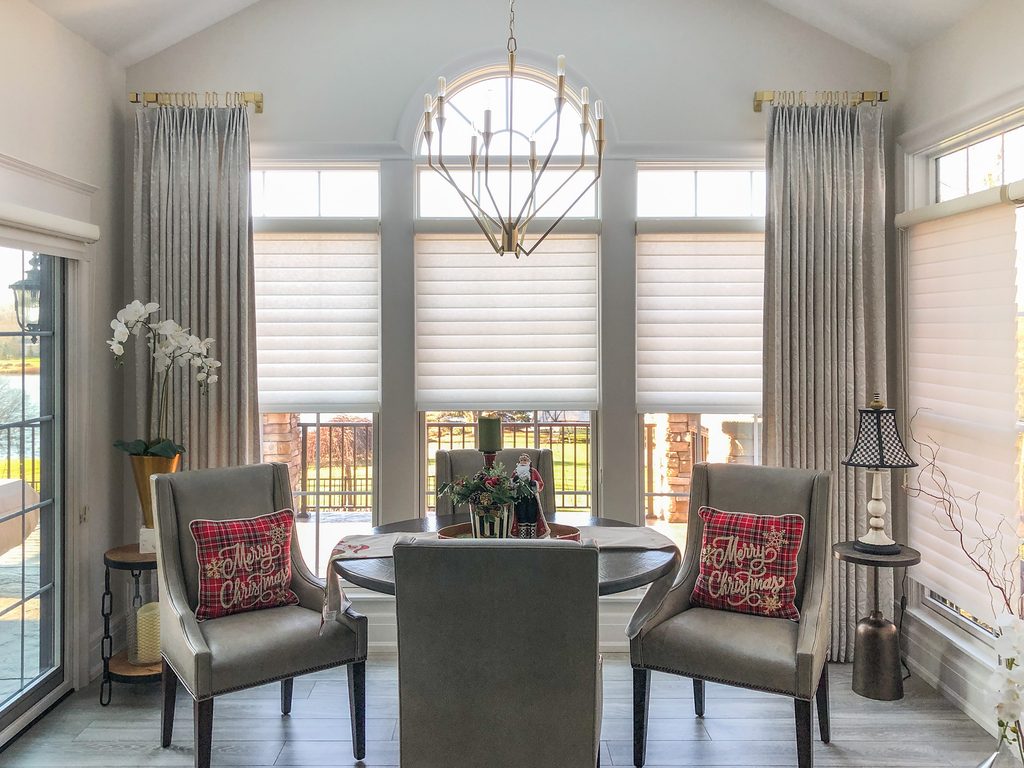
Lining and interlining can also add body and additional fabric layers to a treatment. While these materials are often selected to improve appearance, longevity, drape, or light control, they can contribute to the overall insulating effect.
The key is to consider insulation during the design process rather than treating it as an afterthought. Choices about fabric, lining, fullness, and mounting can influence both the finished appearance and the treatment’s performance.
Managing Heat Gain in the Summer
Although winter is approaching, energy-efficient window treatments provide benefits beyond the colder months.
During summer, sunlight passing through windows can significantly increase indoor temperatures, particularly in rooms with large expanses of glass or direct afternoon sun.
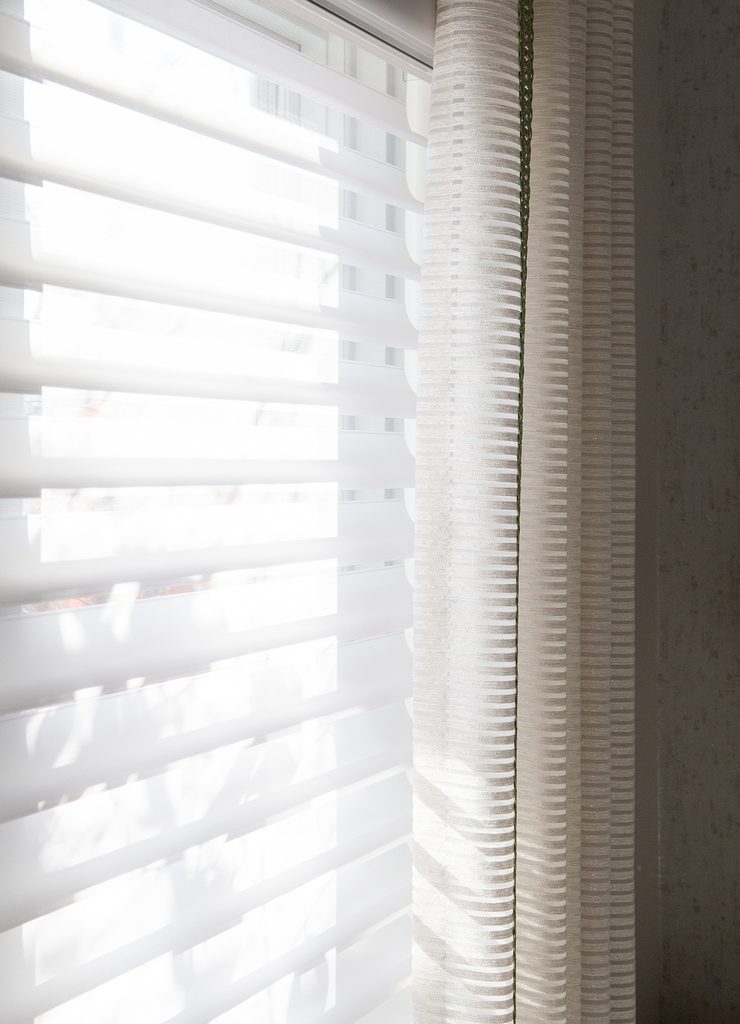
Window treatments that reduce solar heat gain can help keep these spaces more comfortable. Fabric opacity, color, reflective properties, and construction all influence how much solar energy passes into the room. The best treatment for retaining heat in winter may not necessarily be the best at blocking solar heat in summer.
Choosing the right product means considering the home’s climate, window orientation, and how the space is used throughout the year.
Motorization Makes Energy Efficiency Easier
Even the most insulating window treatment can only provide its full benefit when it is used appropriately.
Motorization makes it easier for homeowners to adjust their window treatments throughout the day, especially on tall or difficult-to-reach windows. Depending on the system, they can also be scheduled to open and close automatically.
During winter, homeowners can open shades on sunny windows to take advantage of natural warmth, then close them after sunset to help retain indoor heat. During summer, closing shades before intense sunlight reaches the glass can help reduce unwanted heat gain.
This combination of energy-conscious design and convenient operation makes motorization a valuable consideration for homes with large windows or multiple treatments.
Designing for Comfort in Every Season
A beautiful window treatment should do more than complement the room. It should also support the way that room is used and help make the home more comfortable.
Whether that means choosing cellular shades for their insulating construction, layering drapery over functional shades, or incorporating motorization for easier temperature management, the right solution depends on the needs of the space.
At Parkway Window Works, we help designers consider these practical details alongside the aesthetic ones. By combining thoughtful product selection, custom fabrication, and professional installation, we can create window treatments that look beautiful while contributing to comfort throughout the year.